Loading...
Serving Bellflower, CA and surrounding areas. (562) 263-4398
Adding an ADU, garage, or new structure? We pour slab foundations designed for Bellflower clay soil and California seismic standards, with permits handled from start to finish.
Slab foundation building in Bellflower involves grading and compacting the soil, installing a moisture barrier, placing steel reinforcement, and pouring concrete to form a single flat base for your structure — most residential slabs take three to five days of active work once the permit is in place, with a full cure period of about 28 days before heavy framing loads go on top.
With ADU construction booming across Bellflower since California streamlined the permitting process in 2020, slab foundation work is one of the most requested services we handle. Whether you are adding a backyard unit, a detached garage, or a workshop, every new structure starts here. A slab built for Bellflower conditions pairs directly with our foundation installation services when a project calls for more than a basic flat pour.
Most homes in Bellflower were built between the 1940s and 1970s and sit on clay-heavy soil that expands and contracts with the seasons. Any new slab on this ground needs soil compaction, a gravel drainage layer, and a properly installed moisture barrier — not as extras, but as standard practice.
These are the situations that typically bring Bellflower homeowners to us.
If you are adding a detached ADU, garage, workshop, or any freestanding structure, you need a new slab poured before framing begins. This is the most straightforward trigger — no existing slab means one needs to be built. With ADU construction rising across Bellflower, this is the most common reason homeowners call us.
Small hairline cracks in concrete are normal. But cracks wider than about a quarter-inch, diagonal corner cracks, or sections of floor that feel uneven underfoot signal that the slab may have shifted significantly. In Bellflower, clay soils can move with seasonal moisture changes, making this more common than in areas with stable ground.
When a slab shifts, the walls above it shift too. If doors that once swung freely now stick, or windows have gaps at the corners, the problem may be starting at foundation level. Sticking in multiple rooms at once, especially after a wet or dry stretch, is worth having a contractor evaluate before it worsens.
Damp flooring, lifting tiles, or a mildew smell in a room with no visible water source can mean the moisture barrier under your slab has failed. Older Bellflower homes built in the 1950s and 1960s sometimes have slabs with inadequate protection. A contractor can assess whether surface treatment or full replacement is the right call.
We handle slab foundation projects of all sizes for Bellflower residential properties, from a single-car garage pad to a full ADU footprint. Every job includes soil grading and compaction, a gravel drainage base, a moisture barrier, steel reinforcement placed to meet California seismic requirements, and a smooth finished surface with control joints. For homeowners who want a structure with below-grade access or need a deeper perimeter for added stability, we also coordinate the concrete footings that anchor the slab to solid ground beneath the movement zone.
We pull permits with the City of Bellflower and schedule the pre-pour inspection required by the building department — both are included in every project we manage. If your project calls for a soil evaluation due to site conditions, we can coordinate that as well. The goal is a slab that passes inspection the first time and gives you a solid base for whatever comes next, whether that is an ADU, a garage conversion, or an addition.
Built to residential living space standards with the reinforcement and moisture protection required by Bellflower's building department.
Thicker slabs designed to handle vehicle weight and heavy use, poured with proper drainage slope and control joints.
We handle the City of Bellflower permit process and schedule the required pre-pour inspection so you do not have to.
Bellflower summers push concrete curing risk up — we schedule pours for early morning and use curing methods that protect the slab in high heat.
Bellflower sits on alluvial soils with high clay content — ground that swells when saturated and shrinks back as it dries out. This seasonal movement is the single biggest threat to a slab foundation in this area. A slab poured without adequate compaction, a properly graded gravel base, and enough steel inside will start to crack and settle within a few years — not because the concrete was bad, but because the ground beneath it was never properly managed. Bellflower is also in a designated seismic hazard zone, which means California building code requires deeper perimeter footings and more internal reinforcement than you would see in a comparable slab built in a lower-risk part of the country. These are not upgrades — they are the minimum standard for a slab in this city.
ADU demand has been high in Bellflower since California expanded permitting access in 2020, and that means foundation contractors here are busy. Homeowners in Compton and Long Beach face the same soil and seismic conditions, and we work in those cities regularly. Getting your permit filed early — before contractors are booked out weeks in advance — is one of the most practical things you can do to keep your project on schedule.
Here is what the process looks like from first contact to a finished, permitted slab.
We will ask a few quick questions about what you are building and the approximate size. We reply within one business day and schedule a free on-site visit to look at the property before giving you a written quote.
We submit the permit application to the City of Bellflower's Building and Safety Division. For a straightforward residential slab, this process typically takes one to three weeks. You get a copy of the approved permit before any work begins.
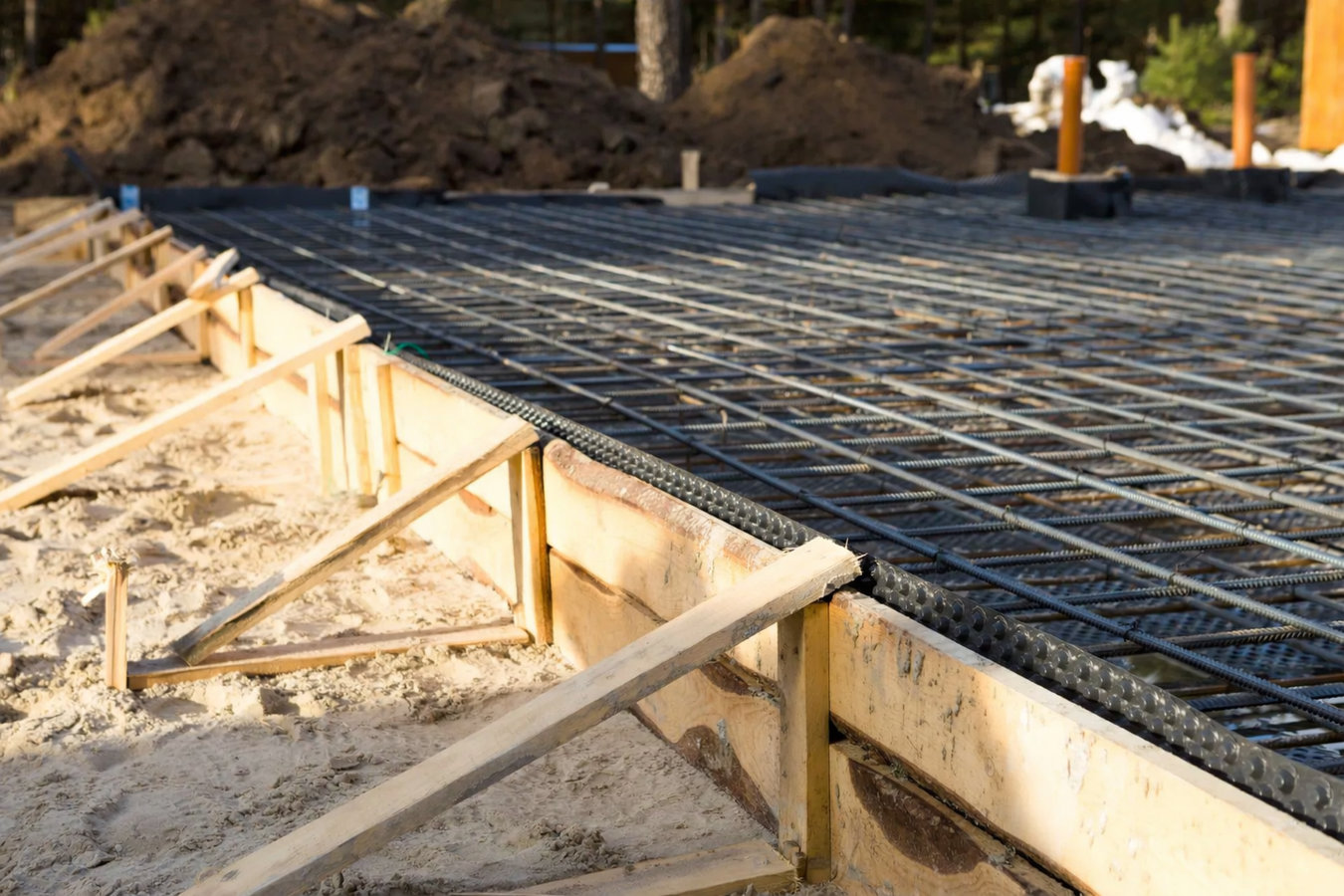
Once the permit is approved, the crew grades the soil, lays the gravel base, and installs the moisture barrier. Steel reinforcing bars are then placed inside the form. A city inspector reviews the setup before the pour — no concrete goes down without that sign-off.
The pour typically takes one day. The crew spreads, levels, and finishes the surface, then cuts control joints. In Bellflower's summer heat, we schedule pours for early morning and keep the slab covered and moist for at least seven days. A final city inspection closes out the permit.
We handle permits, scheduling, and city inspections — you focus on your build. Free on-site estimates, no obligation.
(562) 263-4398We review the soil conditions at your specific site before we finalize the pour design. Clay-heavy ground in Bellflower requires compaction and reinforcement decisions based on what is actually under your property — not a generic spec sheet.
We manage the permit application and schedule the required pre-pour inspection with Bellflower's Building and Safety Division on every project. You get a copy of the approved permit before any work starts — and an official record that protects your home when you sell.
Bellflower is in a designated seismic hazard zone, and every slab we pour meets the reinforcement and footing-depth requirements California building code demands in this area. We do not offer a cheaper option that skips this step.
We work throughout Los Angeles County, including{" "}Bellflower and surrounding cities, so we understand the permit processes, soil conditions, and inspection expectations that vary across the region. Local experience means fewer surprises.
Every slab we pour in Bellflower goes through a city inspection before the concrete is placed. That independent review — combined with our soil-specific design approach — is what separates a foundation that lasts decades from one that starts showing problems within a few years. Learn more about concrete standards from the American Concrete Institute and verify any contractor license at the California Contractors State License Board.
Full foundation installation services for new builds and replacement projects, covering both slab and raised foundation types.
Learn moreProperly sized and reinforced footings that anchor your slab or structure to stable soil below the frost and movement zone.
Learn morePermit slots fill fast — the sooner you reach out, the sooner we can lock in your start date and get your ADU or garage project moving.