Loading...
Serving Bellflower, CA and surrounding areas. (562) 263-4398
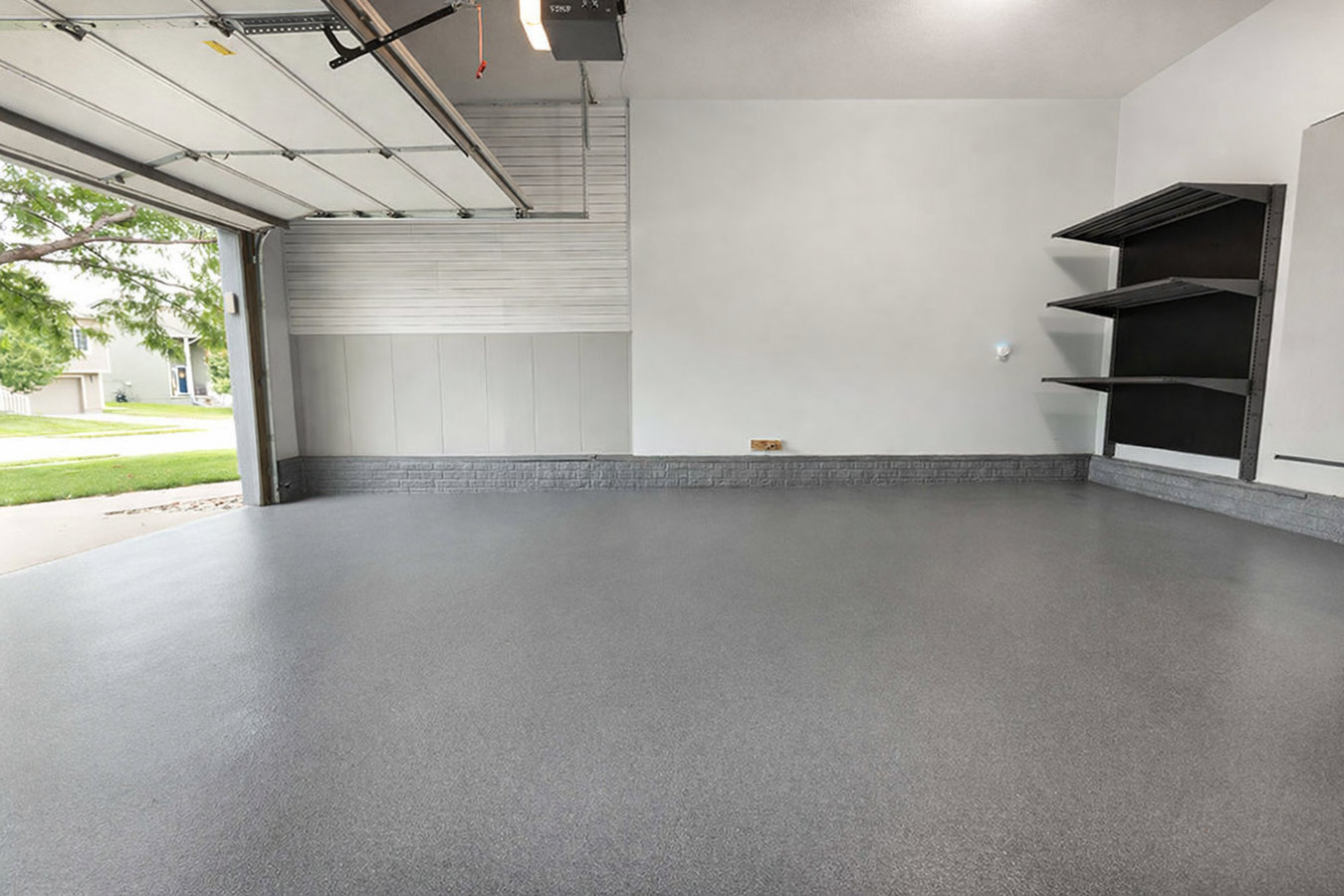
Cracked, hollow, or dusty garage floor? We replace and pour garage slabs in Bellflower with proper base prep, permit handling, and a finish that holds up.
Cracked, hollow, or dusty garage floor? We replace and pour garage slabs in Bellflower with proper base prep, permit handling, and a finish that holds up.
Garage floor concrete in Bellflower starts with removing the old slab, grading and compacting the base, and pouring a fresh slab at the right thickness - most two-car garage projects take one to two days of active work, then a week before you can park on it again.
Most Bellflower homeowners wait too long on this. The original slab in a home built in the 1950s or 1960s was likely poured thin and without reinforcement - and after decades of clay soil movement, surface patches stop being worth the trouble. A fresh pour sets you up with a floor that actually works for the next 20 to 30 years.
If you are converting your garage into a workspace or ADU, starting with a level, structurally sound slab matters even more. Many homeowners also look at decorative concrete finishes at this stage - it is much easier to add color or texture during a new pour than to resurface later.
These are the signs Bellflower homeowners see before they call us.
Small hairline cracks are normal, but if you can fit a pencil tip into a crack - or watch it grow over the past year - the slab is shifting, not just settling. In Bellflower, clay soil expanding and contracting with seasonal moisture is usually the cause, and surface patching will not stop it.
Knock on your garage floor with your knuckle. If some spots sound hollow instead of solid, the concrete has separated from the ground beneath it. This is common in 1950s and 1960s Bellflower homes where slabs were poured without adequate base preparation. A hollow slab is at real risk of cracking or failing under the weight of a car.
If your floor sheds a fine gray dust no matter how often you sweep, or if it is chipping off in small flakes, the top layer has deteriorated - a condition called spalling. Once the surface starts breaking down, it accelerates. No sealer or cleaning product will reverse it.
A properly finished garage floor is slightly sloped toward the door. If puddles form in the center or back of your garage after Bellflower's November-through-March wet season, the floor has settled unevenly or was never sloped correctly. Standing water damages stored items and works its way under the slab over time.
We handle garage floor projects from start to finish - demolition of the old slab, base grading and compaction, permit coordination, pour, and finish. Most homeowners want a clean, functional floor that is easy to sweep and does not crack. We also work with homeowners who want something more, whether that is a polished surface, colored concrete, or a finish connected to a larger concrete floor installation that extends into an ADU or workshop space.
If the existing slab is in reasonable shape in isolated areas, we can also discuss targeted repairs. But for most older Bellflower homes, a full replacement with a properly prepared base is the more cost-effective path over a ten-year horizon.
Best for homes with cracked, hollow, or failing slabs - includes demo, base prep, pour, and finish.
For garages that have never had a finished concrete floor - starts from bare ground up.
Smooth trowel, broom, colored, or polished finishes for homeowners who want more than basic gray.
Protective coating applied after the pour to repel oil, water, and UV fading - recommended for all exterior-adjacent slabs.
Most of Bellflower was built between the 1940s and 1960s, and a large share of those original garage slabs are still in place. Concrete from that era was often poured at three inches or less - thinner than the four-inch minimum that is standard today - and without wire mesh or rebar reinforcement. After 60 or 70 years of Bellflower's clay soils expanding and contracting with the seasons, those slabs crack, settle, and separate from the ground beneath them. Surface patching buys time, but it does not fix the underlying movement.
Southern California's summer heat adds another variable. Concrete poured at midday in 90-degree weather can dry too fast, which weakens the surface and leads to dusting and cracking within the first few years. Homeowners in Lakewood and Downey deal with the same soil and climate conditions - and the same aging housing stock. We schedule pours for early morning during warm months and take the steps needed to slow the drying process so the finished slab holds up the way it should.
Los Angeles County also requires a building permit for full slab replacements. That permit protects you - an uninspected slab can become a problem when you sell your home. We handle the permit process on your behalf so the project is done by the book from day one.
Call or fill out our contact form and we will get back to you within one business day. We will ask a few basic questions about your garage size, current slab condition, and what you are hoping to do with the space.
We come to you, measure the space, and check the condition of the existing slab. You receive a written estimate covering demo, base prep, pour, finish, and permit fees - no vague numbers.
For full slab replacements, we pull the Los Angeles County building permit on your behalf. Once approved - usually within a few business days to two weeks - we confirm your start date.
The crew breaks out the old slab, grades and compacts the base, then pours and finishes the new floor in one to two days. After curing, the county inspector signs off and your project is complete.
We handle permits, base prep, and cleanup. Call now or request a written estimate - no pressure, no obligation.
(562) 263-4398We hold an active California C-8 Concrete Contractor license, which you can verify in seconds on the CSLB website. Hiring a licensed contractor protects you legally if anything goes wrong - and it is a requirement for pulling the county permit on your project.
Bellflower sits on expansive clay soils that shift with every wet season. We compact the base thoroughly and add gravel bedding before every pour - the step most homeowners never see but that determines whether your floor holds up for 20 years or 5.
When temperatures hit the 80s and 90s in Bellflower, concrete poured at noon dries too fast and comes out weaker. We schedule warm-weather pours for early morning and take steps to manage the drying process - because a floor that looks fine on day one but fails in year two is not a job well done.
Full slab replacements in Bellflower require a county building permit and inspection. We handle all of that - you never have to go to the permit office or track down an inspector. The project is done correctly and documented, which matters when you sell your home.
Every one of these points connects directly to the specific challenges Bellflower homeowners face - older homes, clay soils, summer heat, and county permit requirements. We are not a general contractor who does concrete on the side; this is what we do every day in this area.
You can verify our license on the California Contractors State License Board website. The American Concrete Institute publishes the standards we work from on every pour.
Add color, texture, or a polished finish to your garage floor during the pour - far easier than resurfacing later.
Learn moreInterior concrete floors for ADUs, workshops, and living spaces connected to or separate from your garage.
Learn moreEvery week you wait on a cracked or hollow slab, the damage gets worse. Call now or fill out the form and we will get back to you within one business day.