Loading...
Serving Bellflower, CA and surrounding areas. (562) 263-4398
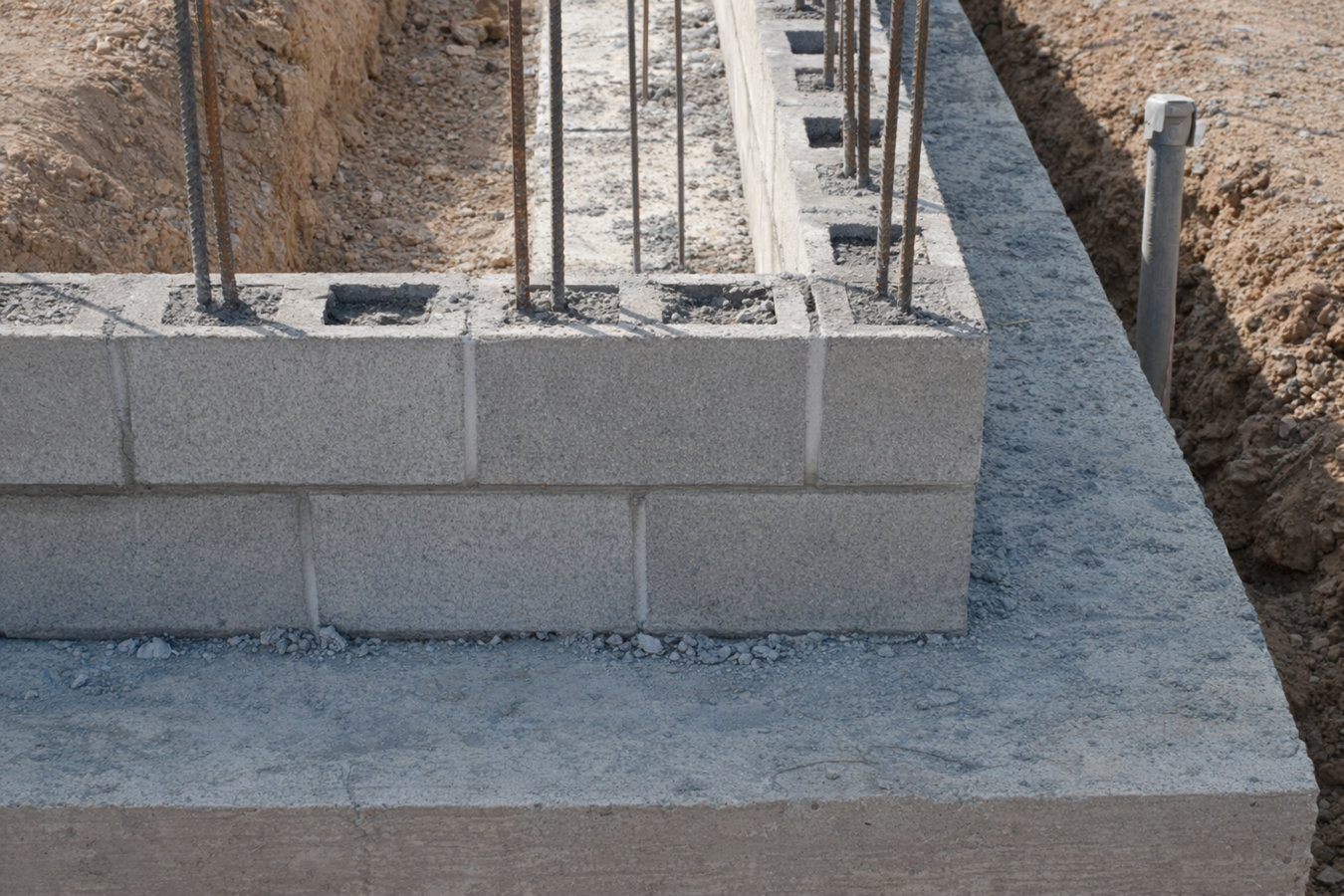
Old foundation showing cracks, or starting a new build? We install concrete foundations built for Bellflower clay soil and California seismic codes, with permits and inspections handled from day one.
Foundation installation in Bellflower means excavating the site, setting wooden forms to shape the concrete, placing steel reinforcing bars inside those forms, pouring the concrete, and finishing the surface — most standard residential projects take three to five days of active work, with a curing period of about 28 days before heavy framing can begin.
Your foundation is what carries the entire weight of your home — walls, roof, floors, everything — and transfers it safely into the ground. When that connection fails, everything above it pays the price. Many Bellflower homes were built between the 1940s and 1970s, and some of those original foundations were never designed to handle today's earthquake safety standards or the seasonal movement of the area's clay-heavy soil. For new builds, this work pairs closely with our slab foundation building services when a flat-pour approach is right for your project.
Whether you are replacing a failing foundation on an older home, installing a new one for an addition, or starting fresh on a new structure, the process follows the same core steps — and every one of them needs to be done in the right order to end up with a foundation that lasts.
These are the signs Bellflower homeowners most often notice before calling us.
Diagonal cracks running from the corners of door frames or window frames are often a sign the ground beneath your home has shifted. In Bellflower, clay-heavy soil expands and contracts with seasonal moisture changes, and over time that movement can stress an older foundation to the point where it begins to show. These cracks do not always mean a full replacement, but they are worth having a professional evaluate.
When a foundation shifts, the frame of your house moves with it — even slightly. That movement can cause doors and windows to fall out of square, so they stick, drag, or will not close all the way. If this is happening in multiple rooms at once, or if it started after a period of heavy rain or a dry stretch, the cause may be at foundation level.
Small separations where walls meet the ceiling or floor that were not there before can indicate the structure is moving. In older Bellflower homes built in the 1950s and 1960s, this kind of movement sometimes reflects a foundation that was not designed to handle the soil conditions it sits on over the long term.
If water collects against your home's exterior after rain, that moisture is working toward your foundation. Over time, water intrusion weakens concrete and erodes the soil beneath it. Given Bellflower's winter rain pattern and clay soils that do not drain quickly, this is worth addressing before it becomes a structural problem.
We install concrete foundations for residential properties throughout Bellflower, covering new builds, additions, ADU projects, and full foundation replacements on older homes. Slab-on-grade foundations are the most common type for new construction in Bellflower — they sit directly on compacted, prepared ground and are more cost-effective than raised foundations for most projects in this climate. When a project also involves commercial or shared-use paving, we can coordinate with our concrete parking lot building work so the site is handled in a single managed scope.
Every foundation we install includes soil preparation, a properly graded base, steel reinforcement placed to meet California seismic requirements, and the full permit process with the City of Bellflower. We manage permit submission, schedule the pre-pour city inspection, and confirm the final sign-off that closes the permit. For older Bellflower homes, we also assess whether the existing structure needs any adjustments to connect properly to the new foundation before framing can continue.
Slab and perimeter foundations for new homes, ADUs, and additions, built to current California code and local soil requirements.
Full removal and reinstallation for Bellflower homes whose original foundations no longer meet earthquake safety or structural standards.
We handle the City of Bellflower permit application and schedule both the pre-pour and final inspections so you have an official city record.
For older properties or unusual site conditions, we assess the soil and can coordinate a formal evaluation before finalizing the foundation design.
Bellflower sits on the Los Angeles Basin's clay-heavy alluvial soils, and that soil behavior drives most of the foundation issues homeowners here deal with. Clay expands when wet and contracts when dry — a cycle that repeats with every rainy season and dry summer. Foundations installed without accounting for that movement will show it within years, not decades. The city is also located near the Whittier Fault and the Newport-Inglewood Fault Zone, which means California building code requires more steel reinforcement and greater footing depth than you would need for a comparable foundation built in a low-seismic area. These are not local preferences — they are the minimum your foundation must meet to pass a city inspection here.
A significant portion of Bellflower's housing stock dates from the 1940s through the 1960s. Many of those original foundations were built to standards that predated today's seismic requirements and did not fully account for expansive soil behavior. Homeowners in Downey and Whittier face the same aging housing stock and soil conditions, and we work in those cities regularly. If your home is in that age range and you are seeing signs of foundation movement, a site visit is the right first step before assuming the worst.
Here is the process from first contact to a finished, permitted foundation.
We ask a few basic questions — the scope of the project, whether it is new construction or a replacement, and if you have spoken with the city yet. We reply within one business day and come out to look at the property before giving you a written estimate.
We walk the property, review soil conditions, check for existing foundation issues, and measure the area. On older Bellflower properties, we may flag the need for a soil evaluation before finalizing the plan. Your written estimate breaks down scope, materials, and timeline.
We submit the permit application to Bellflower's Building and Safety Division. This typically takes one to three weeks for a residential project. We handle all the paperwork — you do not need to visit city hall. Once the permit is approved, you get a confirmed start date.
The crew excavates, sets forms, places steel, and waits for the city inspector to sign off before pouring. After the pour and curing period, a final inspection closes out the permit. We leave the site clean and walk you through any care instructions before we go.
We handle permits, scheduling, and city inspections on every project. No obligation — just a clear, written quote based on what we actually see at your property.
(562) 263-4398We assess the clay-heavy soil at your property before finalizing the foundation design. Deeper footings and additional reinforcement are not upsells here — they are what local conditions require, and we build them in as standard.
Bellflower sits near two active fault systems. California building code requirements for seismic design are not optional, and we build every foundation to meet the reinforcement and depth standards that inspectors verify in this area.
We manage the full permit process with the City of Bellflower's Building and Safety Division from application to final sign-off. You get a copy of the approved permit as a permanent record that the work was done to code.
A large share of Bellflower homes were built before modern seismic and soil standards. We have worked on many of these properties and know what to expect when older foundations need to be brought up to current code — including how to handle the structural tie-in for the framing above.
Every foundation we install in Bellflower passes through a city inspection before concrete is placed. That independent review, combined with our soil-aware design process, is what gives homeowners confidence the work will hold up for decades. You can verify any contractor license at the California Contractors State License Board and review California seismic hazard zone information at the California Geological Survey.
Commercial and residential parking lot concrete poured on a properly prepared base that handles vehicle loads without premature cracking.
Learn moreNew slab pours for ADUs, garages, and additions, including all permit management and the required pre-pour city inspection.
Learn moreWe are scheduling foundation projects now — reach out today and we will confirm your start date within one business day before the permit backlog grows.