Loading...
Serving Bellflower, CA and surrounding areas. (562) 263-4398
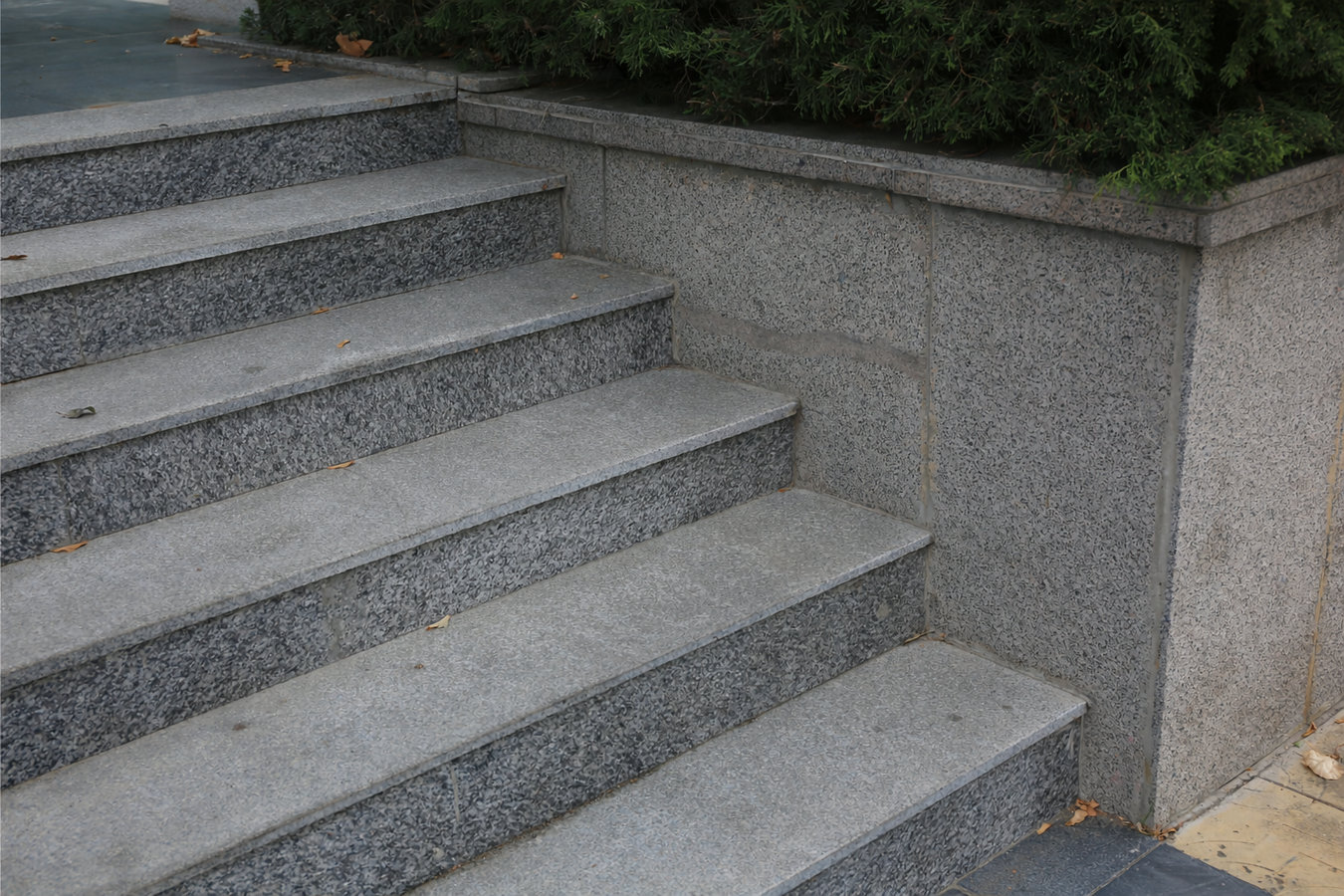
Old, crumbling entry steps are a safety hazard and the first thing guests notice. We build solid, properly reinforced concrete steps in Bellflower — permitted, prepped for local soil, and finished to last.
Concrete steps construction in Bellflower replaces crumbling or unsafe entry stairs with a poured, reinforced concrete structure — most residential projects take one to two days of active work, with a 24-to-48-hour wait before light foot traffic is safe.
Bellflower has a large amount of housing stock from the 1950s through 1970s, and many of those original front entry steps are overdue for replacement. Steps from that era were often poured without internal steel reinforcement, making them more brittle as the clay soil beneath them shifts with the seasons. A new set of concrete steps built to current standards can change how your whole front entry looks and feels.
If your entry also needs a structural base, our concrete retaining walls service can address grade changes and soil movement at the same time, so both projects benefit from the same site preparation.
Cracks that run all the way through the edge of a step mean the concrete has started to break down structurally. In Bellflower's clay-heavy soil, these cracks often start where the ground has shifted slightly underneath. Once cracking reaches this stage, patching rarely holds for long, and full replacement is usually the more cost-effective path.
Stand at the bottom of your steps and look across the surface — if any step tilts noticeably toward the yard or away from the house, the base underneath has moved. This is especially common in Bellflower homes built in the 1950s and 60s, where steps were often poured on uncompacted fill that has settled over the decades. Uneven steps are a trip hazard that gets worse over time.
If the top layer of concrete is flaking off in chunks or the surface feels rough and pitted underfoot, the concrete has started to deteriorate. Bellflower's wet-dry weather cycles stress the outer layer of concrete repeatedly over the years, and once spalling covers most of the surface, a resurfacing coat will not fix the underlying problem.
If your home was built during Bellflower's main residential development era and the steps have never been replaced, they may be approaching or past the end of their useful life. Steps from that period were often built without internal steel reinforcement, making them more brittle over time. A contractor can assess whether yours are still structurally sound in a few minutes on-site.
Every steps project starts with an honest assessment of what your entry actually needs. If the existing steps are crumbling or structurally compromised, we demolish and haul away the old concrete, compact the soil base carefully — accounting for Bellflower's clay — and build new steps with steel reinforcement inside for long-term durability. Finishes range from a practical broom texture to stamped patterns that can match your home's exterior. We also work with homeowners who want to connect new steps to a broader project, which is why we often pair steps installations with our slab foundation building work when the surrounding grade needs attention at the same time.
If your existing slab is still structurally sound but the surface has worn flat or is stained, a resurfacing overlay is a lower-cost alternative to a full replacement. We are upfront about which option makes sense for your specific situation — if your steps can be resurfaced, we will tell you that rather than recommend a more expensive job. Every project, large or small, goes through the City of Bellflower permit process so you have a clean record on file when the work is complete.
Suits homeowners with crumbling, shifted, or structurally compromised steps that need to be demolished and rebuilt from the ground up.
Suits homeowners whose step structure is still sound but the surface is worn, stained, or visually outdated.
Suits homeowners who want a clean, practical, slip-resistant entry that is low-maintenance and built to handle Bellflower's climate.
Suits homeowners who want their front entry to make an impression, with a textured pattern that mimics stone or tile without the material cost.
Much of Bellflower's housing stock was built in the 1950s through 1970s, which means a large share of front entry steps in the city are 40 to 70 years old. Steps from that era were often poured without internal reinforcement and on subbase conditions that were not prepared with today's understanding of the area's clay-heavy soils. The combination of aging concrete and soil that expands and contracts with each rain-and-dry cycle is exactly why so many Bellflower homeowners find their steps cracking, tilting, or separating from the house over time.
We apply the same careful base preparation practices across our entire service area, including nearby Downey and Norwalk, where the soil conditions and housing vintage are similar. The specific prep work — soil compaction depth, gravel base when needed, footing size — gets adjusted for each site because conditions can vary even block to block. That local specificity is what separates a steps replacement that holds up from one that starts showing problems in two or three years.
We come to your Bellflower home, measure the entry, check the condition of the existing steps, and ask about any finish preferences. You receive a written quote within one business day that breaks down demolition, materials, and labor separately.
We apply for the required City of Bellflower building permit before any work begins. This typically takes a few business days to a week. You do not need to visit the permit office — we handle the paperwork, and you may just need to sign an authorization form.
Old steps are removed if needed — loud for a few hours, but typically wrapped up the same morning. The crew then compacts the soil, sets the wooden forms and steel reinforcement, and pours the concrete. Most front entry step jobs are poured and finished in a single day.
Light foot traffic is safe after 24 to 48 hours, but full curing takes about 28 days. The city inspector signs off on the work, and we do a final walkthrough with you covering the care timeline and when to apply your first sealer. At that point, the job is complete.
We handle the permit from start to finish and have you back in and out of your front door within a day of the pour. Call or message us and we will respond within one business day.
(562) 263-4398We compact the soil base and size the footings specifically for the expansive clay conditions common across the southeast LA basin. This preparation work is what keeps your new steps level as the ground moves with the seasons — it is not visible once the job is done, but it is what separates steps that last from steps that tilt in a few years.
Every set of steps we pour includes internal steel rebar or wire mesh — the same reinforcement method recommended by the American Concrete Institute. You will not see it once the job is done, but it is one of the main reasons our steps hold together under weight and resist cracking over time. Many older Bellflower steps were poured without this — it is one reason they fail.
We pull every required city permit and coordinate the inspection with the City of Bellflower Building and Safety Division. A lot of homeowners have heard stories about contractors who skip the permit to save time — we do not do that. Your project is on record, inspected, and protected if you ever go to sell your home. You can also verify our license directly through the California Contractors State License Board.
We work across Bellflower and 11 surrounding cities, which means we are in the field every day in this area. That active local presence means we know current permit timelines, HOA requirements in local neighborhoods, and how soil conditions vary block to block. Local knowledge applied directly to your specific address is what our area coverage means in practice.
Front entry steps are the first thing people see at your home and one of the most frequently used surfaces on your property. We treat every set of steps the same way — built right, permitted, and finished so you are proud of your front entry instead of embarrassed by it.
If your entry steps show signs of soil movement, your foundation may need attention before new steps are poured.
Learn morePair new entry steps with a retaining wall to manage grade changes and prevent soil movement near your home's entrance.
Learn moreCrumbling or uneven steps get more dangerous when they are wet. Call or send us a message now and we will get back to you within one business day with a written estimate.