Loading...
Serving Bellflower, CA and surrounding areas. (562) 263-4398
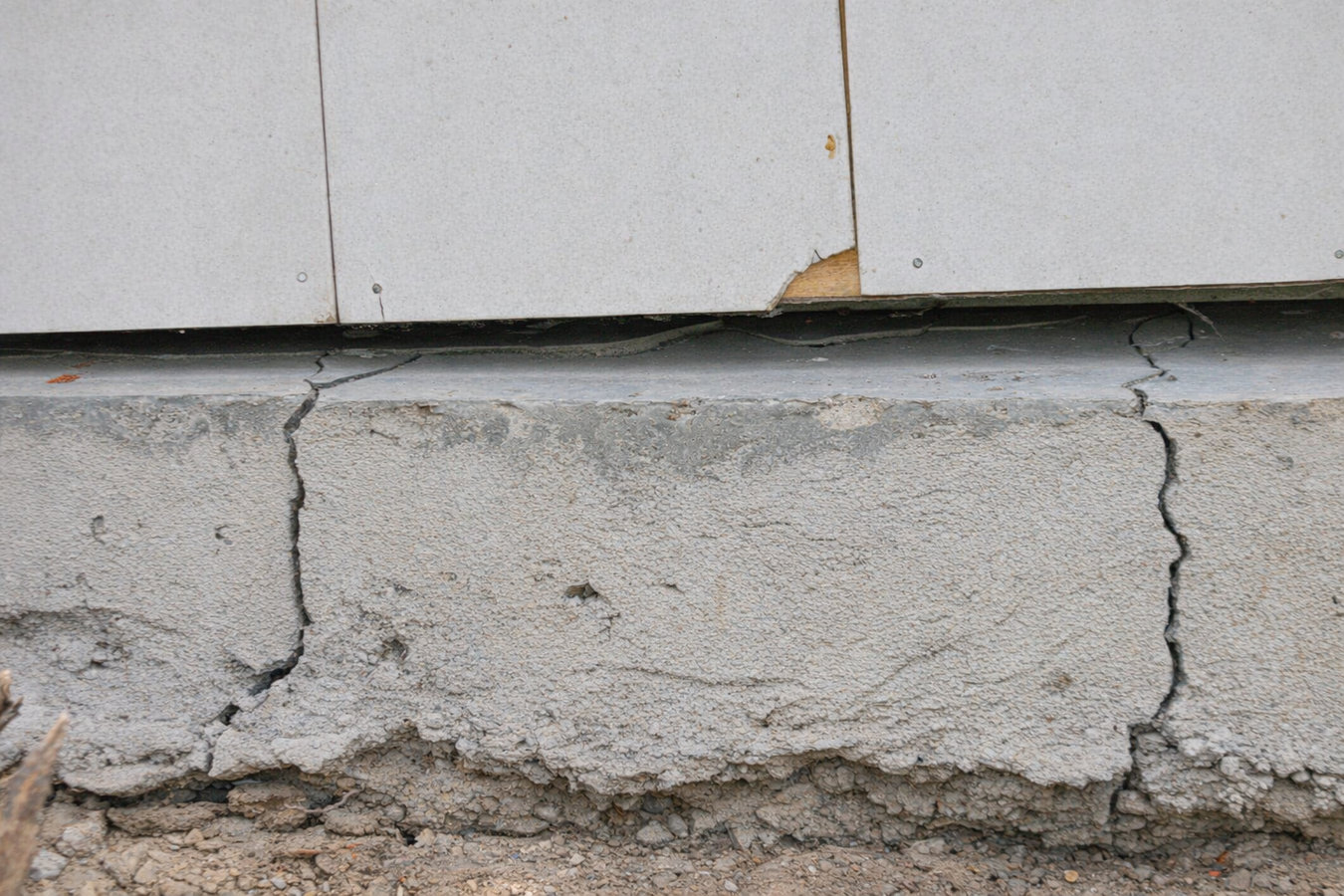
A sunken driveway, patio, or floor slab does not have to mean a full tear-out. We lift settled slabs back to level using proven methods matched to Bellflower's clay-heavy soil - and most jobs are done in a single day.
Foundation raising in Bellflower lifts a sunken or uneven concrete slab back to its original position by pumping material into the void beneath it - most residential jobs take two to eight hours and the surface can be walked on the same day.
If you have a driveway that has dropped at one end, a patio with a low spot where water pools, or an interior floor that has shifted, foundation raising can fix it without the cost and disruption of tearing the concrete out and starting over. The existing slab stays in place - the crew drills small holes, injects the lifting material, monitors the rise with a level, and patches the holes when done.
Many Bellflower homeowners also ask about concrete cutting when a portion of the slab is too damaged to raise and needs to be removed before any lifting work begins. We assess the full situation before recommending an approach.
When a slab shifts, the door frames above it shift too, and doors that used to close smoothly start to stick, drag, or refuse to latch. In Bellflower, this often becomes noticeable in late fall when the first rains soak the dry clay soil and cause it to move. Multiple doors in the same area behaving strangely at the same time is a pattern worth investigating.
Walk along the edges of your rooms and look where the floor meets the wall. A gap that was not there before - or one that seems to be growing - is a sign the slab beneath that section has dropped. This is especially common in Bellflower homes built in the 1950s and 1960s, where decades of soil movement have had time to accumulate.
Stand at one end of your driveway or patio and look down the length of it. If one section is noticeably lower than the rest, or if water pools in a spot that used to drain, the slab has settled. Uneven outdoor slabs are also a trip hazard, which is reason enough to have them assessed before someone gets hurt.
Small hairline cracks in tile or concrete floors are common and often harmless. But if you notice a crack that is getting wider, or if grout lines are separating in a pattern that follows a line across the room, the slab beneath is moving unevenly. Take a photo now and another in a few months - if the crack has grown, it is time to call a contractor.
We handle foundation raising for driveways, patios, walkways, garage floors, and interior residential slabs throughout Bellflower. Every job starts with a free on-site assessment where we probe the slab, check for existing damage, measure how far out of level it is, and look at the drainage around your home. That assessment tells us whether raising is the right solution - and which method suits your specific slab and soil. Before we start any work, we confirm whether a permit is required for your project through the Los Angeles County Department of Public Works and handle the application if one is needed. We also coordinate with slab foundation building when a section of the slab is too far gone to raise and a new pour makes more sense than trying to lift it.
After lifting, we patch the injection holes and walk you through the finished work. We also point out any drainage issues we noticed during the job - because fixing water management is often what makes the lift last for years instead of months.
Suits homeowners who want smaller patch holes, faster curing, and a lighter material that puts less stress on Bellflower's clay soil.
Suits jobs where cost is the primary consideration and the slab is in a location where the heavier mix poses less risk of re-settlement.
Suits homeowners with a dropped or tilted driveway section who want a level surface restored without tearing out and repaving the whole drive.
Suits homeowners dealing with a floor that has settled beneath tile, hardwood, or carpet, causing bouncy spots, cracks, or doors that no longer swing freely.
Bellflower sits on Los Angeles Basin soil that contains a high percentage of expansive clay. This soil swells when it absorbs water and shrinks when it dries - a push-and-pull cycle that is one of the leading causes of slab settlement in the area. The city's flat topography means water does not drain away quickly after heavy rain, and older neighborhoods often have gutters and downspouts that discharge too close to the foundation. The result is that water soaks into the soil beneath slabs year after year, slowly washing away the support underneath. Most homes in Bellflower were built between the 1950s and 1970s, which means many slabs are now 50 to 70 years old and have been through decades of that wet-dry cycle. Foundation raising is not a rare fix here - it is one of the most common concrete jobs we do.
We do foundation raising throughout the area, including neighboring Lakewood and Downey, where the same clay soil conditions and postwar housing stock create similar settlement patterns. If you are not sure whether your slab needs raising or replacement, a free on-site visit is the fastest way to get a straight answer. The Concrete Foundations Association and the California Contractors State License Board both offer resources for homeowners verifying contractor credentials and understanding foundation work.
We reply within one business day. When you call, we will ask which part of the property is affected and what symptoms you have noticed - that way we show up prepared and the assessment takes less time.
We walk the affected area, measure how far out of level the slab is, check for cracks, and look at drainage around the home. You get a written estimate that breaks down the work, the method, and the cost - no obligation.
We confirm whether a permit is required for your project and handle the application if needed. Your preparation is minimal - clear the area of furniture, plants, or vehicles. You do not need to leave your home.
The crew drills small holes, injects the lifting material, and monitors the rise with a level. Most residential jobs finish in a few hours. Holes are patched and the crew walks you through the finished result before leaving.
Free on-site assessment, written quote, no obligation. We reply within one business day.
(562) 263-4398We work throughout Bellflower and surrounding cities in southeast Los Angeles County - 12 service areas total. That reach means we know the soil conditions, permit offices, and seasonal patterns across the whole corridor, not just one zip code.
We do not use the same method on every job. Bellflower's clay soil responds differently to foam injection and mudjacking, and we choose based on your specific slab and site conditions. That matching is what makes the lift hold long-term.
Poor drainage is why most raised slabs settle again. We walk your property perimeter on every assessment visit and point out any drainage issues we see - because fixing water management is often what protects the lift long after we leave.
Foundation work in Bellflower can require a permit, and we check the requirements for every project. The Los Angeles County Department of Public Works governs permits here, and we handle the application so you do not have to navigate the process yourself.
Every one of these points comes down to the same thing: we want the work to hold after we leave, not just pass a visual check on the day. When the method is right, the drainage is addressed, and the permits are in order, foundation raising in Bellflower lasts.
When a section of your slab is cracked beyond saving, concrete cutting removes it cleanly so the surrounding concrete stays intact.
Learn moreWhen a slab cannot be raised and needs to be replaced from scratch, we pour a new reinforced slab built to current California standards.
Learn moreBellflower's rainy season puts real stress on settled slabs - get a free on-site assessment now and know exactly what you are dealing with before the next wet season arrives.