Loading...
Serving Bellflower, CA and surrounding areas. (562) 263-4398
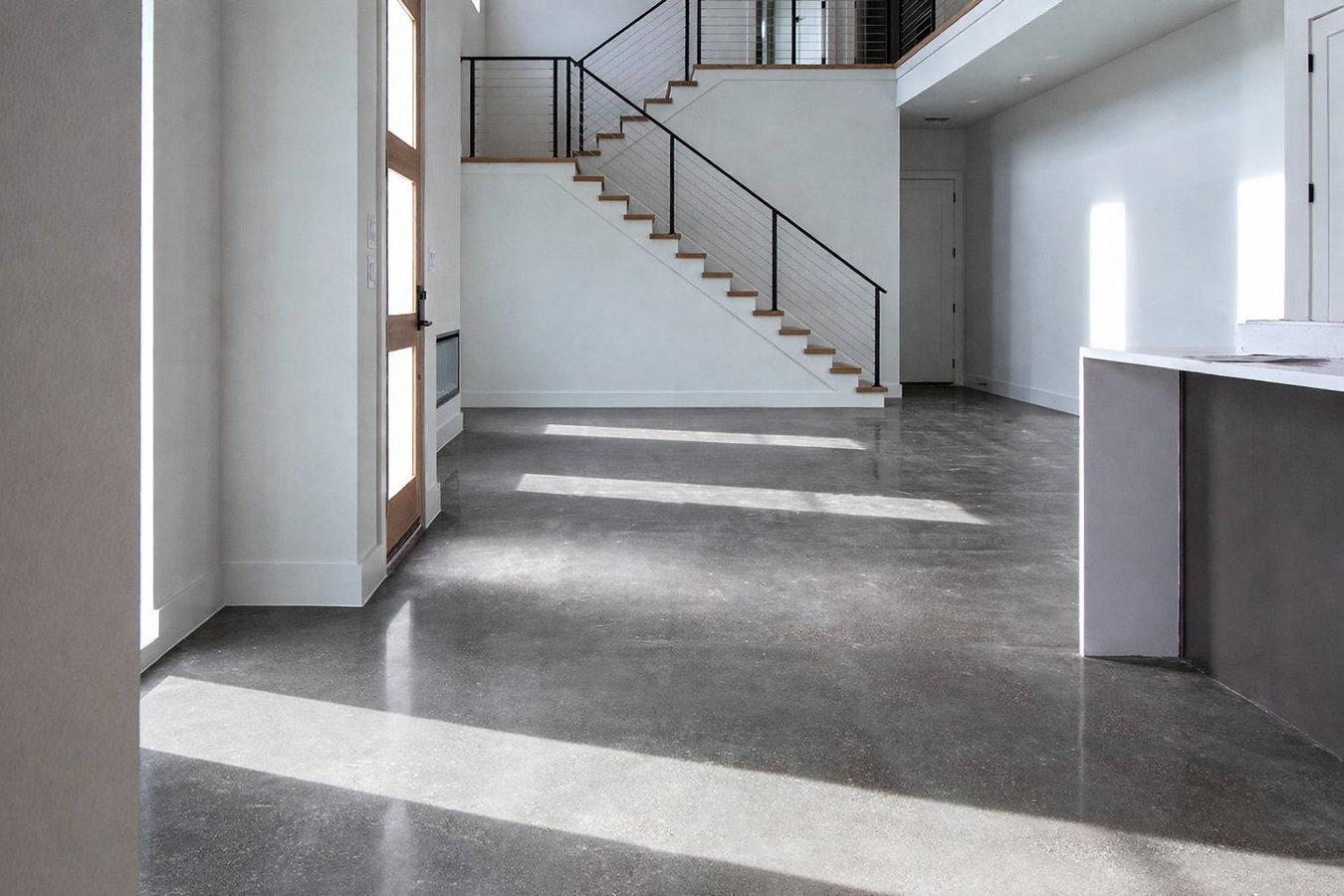
Cracking slabs, uneven surfaces, or a garage floor past its prime — we install new concrete floors built on a properly prepared base for Bellflower soil conditions.
Concrete floor installation in Bellflower starts with removing the old slab, grading and compacting the soil beneath it, laying a gravel base, and then pouring a reinforced concrete slab — most residential jobs take three to five days on-site, with about a week of curing before the floor is ready for vehicle traffic.
Bellflower homes built between the 1940s and 1970s make up most of the calls we get for new floors. Original slabs from that era were often poured directly on unprepared ground with no moisture barrier, and after 50 to 70 years they show it — cracking, settling, and surface deterioration that no patch can fix long-term. If you are also converting a garage into livable space, pairing a new slab with our garage floor concrete service gives you a clean, level starting point for everything that follows.
The ground preparation is the part of the job most homeowners never see once the floor is poured — and it is the most important part. Skipping or rushing it is how you end up with a floor that cracks again in a few years.
These are the signs Bellflower homeowners notice before calling us for a new slab.
If you have patched cracks before and they came back — or if cracks are now wider than a pencil line — the slab itself may be failing. In Bellflower, clay soil shifts with seasonal moisture changes, stressing slabs from below. At that point, replacement is more cost-effective than repeated repairs.
Walk across your garage or patio and notice whether any section feels lower than the rest, or whether water pools in spots after rain. Uneven settling is common in older Bellflower homes where the original slab was poured on unprepared ground. A floor that has dropped even half an inch can become a tripping hazard.
Many Bellflower garages still have their original mid-century slabs. If the surface is pitting, flaking, or crumbling near the edges or the garage door threshold, the concrete has reached the end of its useful life. Sealers can slow deterioration, but once the concrete itself starts breaking down, a new floor is the right answer.
Damp spots, white powdery deposits, or a musty smell near a concrete floor — especially after rain — mean moisture is wicking up through the slab from below. Many original slabs in Bellflower's older homes were poured without a moisture barrier. Left unaddressed, this can damage flooring installed on top and create conditions for mold.
We install concrete floors for garages, patios, covered outdoor areas, and interior slabs across Bellflower and the surrounding cities we serve. Every pour includes proper subgrade preparation — compacted soil and a gravel base — plus steel mesh or rebar reinforcement and control joints cut into the surface. For homeowners planning to use their floor as a foundation for tile, hardwood, or other finished flooring, we can also install a moisture barrier so the new slab is compatible with whatever goes on top. If you are building out an outdoor living area, our concrete pool decks service handles adjacent outdoor slabs that need to meet different slip-resistance and finish requirements.
Surface finish options range from plain broom-finished concrete — which is the standard, practical choice for most garages — to sealed, stained, stamped, or polished finishes that change both the look and the maintenance routine. Decorative finishes need to be planned before the pour because some steps happen while the concrete is still fresh. We walk through finish options during the estimate visit so you can make the right call for how you plan to use the space.
Best for Bellflower homeowners with original mid-century slabs that are cracking, settling, or showing surface breakdown beyond what any patch can fix.
Ideal for adding or replacing a covered outdoor area, a side yard pad, or a flat surface adjacent to a retaining wall or landscaped space.
Suited for garage conversions, laundry room additions, or any space where the existing floor is not level or smooth enough for the planned use.
For homeowners who want stained, stamped, sealed, or polished concrete — options that change how the floor looks and how easy it is to maintain.
Bellflower's housing stock was largely built between the 1940s and 1970s — which means a large share of the city's garage floors, patio slabs, and utility-space floors are now 50 to 70 years old and well past their designed lifespan. The original concrete in many of these homes was poured directly on unprepared ground, without the compacted gravel base or moisture barrier that modern pours include. Add Bellflower's expansive clay soil, which swells and shrinks with every wet and dry season, and you have the conditions that explain why so many floors in this area crack, settle, and deteriorate faster than they should. Homeowners in Downey and Norwalk share the same postwar housing stock and face the same floor replacement cycle.
Bellflower's mild but hot summers add one more challenge to concrete work here. High temperatures cause fresh concrete to set faster than it should on the surface, which can weaken the finished slab if the pour is not managed carefully. We schedule pours for the cooler parts of the day in summer and take steps to keep the surface moist during curing — a detail that makes a measurable difference in how long your floor holds up. If your project requires a permit through LA County's Building and Safety Division, we handle the application so you do not have to navigate that process on your own.
Here is what to expect from your first call to the day you can drive on the new slab.
We respond within one business day. We will ask a few quick questions — what space you are working with, roughly how large it is, and what you plan to use it for — before scheduling a free on-site visit. Phone quotes for floor work are not accurate without seeing the existing ground.
We inspect the existing slab or ground, check for drainage issues and moisture, and assess what base preparation will be needed. You receive a written estimate covering demolition, haul-away, base work, the pour, and any finishing. We tell you upfront if a permit is required.
Before pour day, the area is fully cleared — vehicles, furniture, and stored items out. The old slab is broken up and hauled away. Then the crew grades and compacts the soil and lays the gravel base. This preparation step is what your new floor's lifespan depends on.
Pour day typically happens early in the morning to manage heat. The crew places, spreads, and finishes the concrete, then cuts control joints into the surface. After 24 to 48 hours you can walk on it; after about a week it is vehicle-ready. If a county inspection was required, we coordinate scheduling.
Free on-site estimate. We handle the permit process if one is needed. No obligation.
(562) 263-4398Bellflower's clay soil expands and contracts with every wet and dry season, and that movement is what destroys slabs that were poured on unprepped ground. We compact the subgrade and lay a proper gravel base on every job — the invisible work that determines how long your floor actually lasts.
Many original slabs in Bellflower's older homes were poured without any moisture barrier underneath. We include a barrier on new slabs where it is needed, so you are not dealing with damp spots or peeling floor coverings a year after the pour.
We work throughout Bellflower and 11 surrounding cities, and we know how the LA County Department of Public Works handles building permits for floor projects. Pulling permits on your behalf and coordinating inspections is part of what we do — not something we hand back to you to figure out.
Concrete poured carelessly in Bellflower summer heat can develop surface weakness within the first year. We schedule pour times and manage curing in line with the American Concrete Institute guidelines for hot-weather concrete — so your floor cures the way it is supposed to regardless of the season.
The combination of proper base work, moisture protection, permit handling, and heat-aware curing is what sets a lasting floor apart from one that starts cracking in two years — and it is what every Bellflower homeowner deserves to get the first time.
You can verify contractor licensing through the California Contractors State License Board. Permit requirements for Bellflower floor projects run through the LA County Department of Public Works Building and Safety.
Extend your outdoor living area with a durable, slip-resistant concrete pool deck that handles Southern California sun and foot traffic.
Learn moreRepair or replace a crumbling garage slab with a reinforced, properly prepared floor built for decades of daily use.
Learn moreSpring and fall fill up fast for floor projects — the sooner you book your site visit, the sooner you have a date on the calendar.